have words
US /hæv wɝdz/
・UK /hæv wɜ:dz/
B2
idm.To argue or quarrel with someone.
They had words over the misunderstanding during the meeting.
Video subtitles
How Do We Produce Food? Crash Course Geography #43
- But we also have words to describe the relationship between how much effort we put in and the amount of land that's being used.
But we also have words to describe the relationship between how much effort we put in and the amount of land that's being used.
- But we also have words to describe the relationship between how much effort we put in and the
But we also have words to describe the relationship between how much effort we put in and the
Advanced Prepositions of Time: “throughout”, “ahead of”, “at around”, “out of”…

- Go through. You go through a tunnel, right? You go through a doorway. Throughout means all the way through. So, throughout, because if you had a page of writing, you would have words all the way through it. Similar, you're going from one place to another. Okay? But what does this mean for time? When we talk about time, we say for an entire period and after. Huh? Well, okay. Here's an example. It rained throughout the night until the morning.
Go through. You go through a tunnel, right? You go through a doorway. Throughout means all the way through. So, throughout, because if you had a page of writing, you would have words all the way through it. Similar, you're going from one place to another. Okay? But what does this mean for time? When we talk about time, we say for an entire period and after. Huh? Well, okay. Here's an example. It rained throughout the night until the morning.
- So, "throughout" because if you had a page of writing, you would have words all the way through it.
So, "throughout" because if you had a page of writing, you would have words all the way through it.
F1 The Movie: Behind The Scenes With Brad Pitt | Exclusive Interview

- Like, I don't have words for it.
Like, I don't have words for it.
- Like, like, I I I don't have words for it.
Like, like, I I I don't have words for it.
English Grammar Practice For ALL Students and Exams

- but we don't need to use in or any other preposition when we have words like "last" or "next" or "this" or "every." Last year, next month, this morning, every day.
but we don't need to use in or any other preposition when we have words like "last" or "next" or "this" or "every." Last year, next month, this morning, every day.
- I hear my students say in last year all the time, but we don't need to use in or any other preposition when we have words like last, or next, or this, or every.
I hear my students say in last year all the time, but we don't need to use in or any other preposition when we have words like last, or next, or this, or every.
English Vocabulary for visiting the DOCTOR
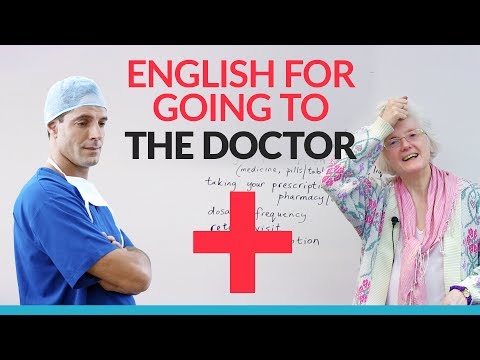
- Then we have words like "ill", "well", "unwell". "Unwell" means the same as ill or sick.
Then we have words like "ill", "well", "unwell". "Unwell" means the same as ill or sick.
- Then we have words like: ill, well, unwell.
Then we have words like: ill, well, unwell.
Tony Robbins' TED Talk
- There are 6,000 emotions that we all have words for in the English language, which is just a linguistic representation, right?
There are 6,000 emotions that we all have words for in the English language, which is just a linguistic representation, right?
- There are 6,000 emotions that we all have words for
There are 6,000 emotions that we all have words for
Computational Thinking - Computer Science for Business Leaders 2016
- It's pictures that we now have words for.
It's pictures that we now have words for.
- It's pictures that we now have words for.
It's pictures that we now have words for.
How the Colors Got Their Names | Otherwords

- The earliest humans didn't have words for colors, they had words for objects and actions and it took tens of thousands of years for those words to evolve into the names of the colors we use today.
The earliest humans didn't have words for colors, they had words for objects and actions and it took tens of thousands of years for those words to evolve into the names of the colors we use today.
- The earliest humans didn't have words for colors.
The earliest humans didn't have words for colors.
IELTS Writing Task 1: How to describe BAR GRAPHS

- We have words like: "dramatically" or "steadily".
We have words like: "dramatically" or "steadily".
- We have words like: "dramatically", or "steadily".
We have words like: "dramatically", or "steadily".
Learn English: How to understand native speakers
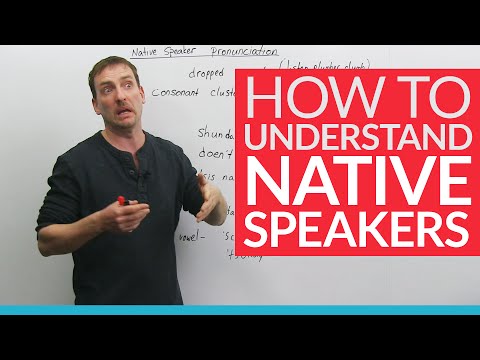
- bunched together; you have a few of them together. When we have words with this situation, we
bunched together; you have a few of them together. When we have words with this situation, we
- So, when we have consonant clusters—these are groups—when you have consonants bunched together, you have a few of them together—when we have words with this situation, we tend to drop one, maybe two, of those consonants.
So, when we have consonant clusters—these are groups—when you have consonants bunched together, you have a few of them together—when we have words with this situation, we tend to drop one, maybe two, of those consonants.